
Federal vs South Carolina Harassment Laws

Federal vs South Carolina Harassment Laws Employees dealing with workplace harassment often hear references to both federal employment laws and South Carolina workplace protections. While federal law provides broad protections against harassment and discrimination, state laws and procedures may also affect how workplace claims are handled. Understanding the differences between federal and South Carolina harassment […]
Witness Testimony in Sexual Harassment Cases

Witness Testimony in Sexual Harassment Cases Sexual harassment cases often involve conflicting accounts of workplace events. Because many incidents occur privately or without direct documentation, witness testimony can become one of the most important forms of evidence. In North Carolina, witness testimony may help establish what happened, how the workplace responded, and whether harassment or […]
When a Harassment Case Becomes a Lawsuit
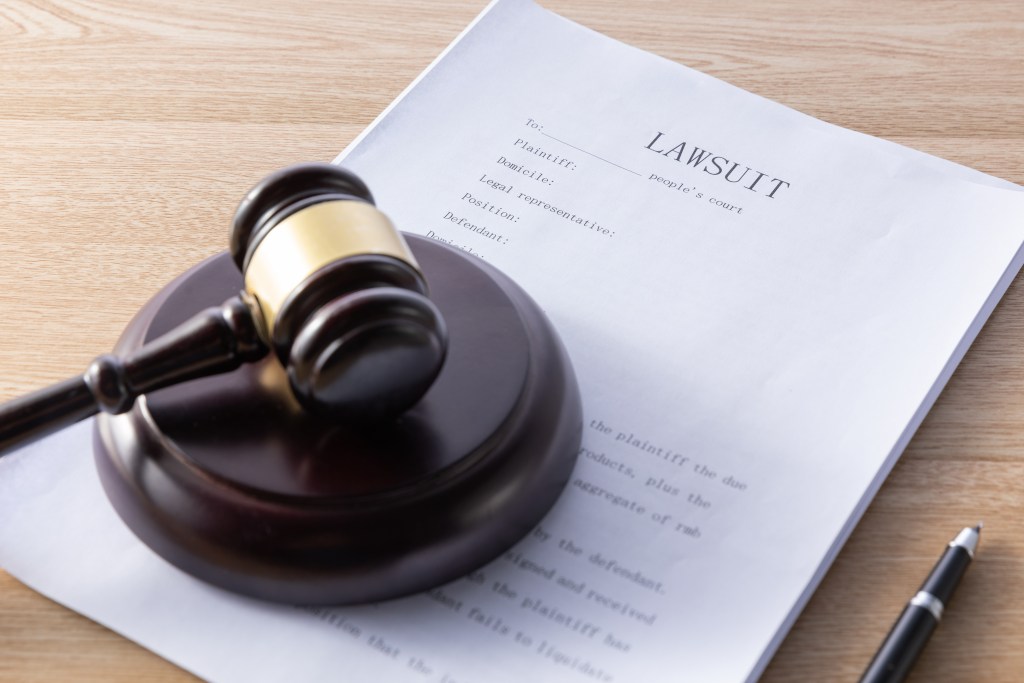
When a Harassment Case Becomes a Lawsuit Many workplace harassment disputes begin with internal complaints to supervisors or human resources departments. In some situations, however, the matter may progress beyond an internal investigation and become a formal legal claim or lawsuit. Understanding the harassment lawsuit process can help employees better recognize how workplace complaints may […]
How Documentation Impacts Harassment Cases

How Documentation Impacts Harassment Cases Documentation often plays a major role in workplace harassment cases. When employees experience inappropriate conduct, preserving records and tracking workplace events may help establish timelines, clarify disputes, and support allegations during investigations or legal proceedings. Understanding how harassment documentation and evidence are used can help employees better protect important information […]
Employer Liability for Workplace Harassment

Employer Liability for Workplace Harassment Workplace harassment can have serious emotional, professional, and financial consequences for employees. When harassment occurs, many people wonder whether the employer may also be legally responsible for allowing the conduct to continue. In North Carolina, employer liability for workplace harassment often depends on who engaged in the conduct, whether management […]
When Employers Fail to Investigate Harassment Complaints

When Employers Fail to Investigate Harassment Complaints Employees who report workplace harassment often expect their concerns to be taken seriously and investigated appropriately. When employers fail to respond, ignore complaints, or conduct inadequate investigations, the situation can become even more harmful for the employee involved. In North Carolina, an employer’s response to harassment allegations may […]
Retaliation for Requesting Workplace Accommodations

Retaliation for Requesting Workplace Accommodations Employees sometimes need workplace accommodations because of medical conditions, disabilities, pregnancy-related limitations, or other legally protected situations. Requesting accommodations is often a protected activity, but some workers worry that speaking up could lead to retaliation. In North Carolina, workplace retaliation claims can arise when an employer allegedly takes adverse action […]
Time Limits for Filing Harassment Claims

Time Limits for Filing Harassment Claims Employees dealing with workplace harassment often focus on the immediate impact of the situation and may not realize that legal filing deadlines can apply to harassment claims. Missing important deadlines may affect an employee’s ability to pursue certain legal options later. Understanding harassment claim deadlines can help employees better […]
Third-Party Harassment by Clients or Customers

Third-Party Harassment by Clients or Customers Workplace harassment does not always come from supervisors or coworkers. In some industries, employees may experience harassment from customers, clients, vendors, patients, contractors, or other third parties connected to the workplace. Understanding third-party harassment in the workplace can help employees recognize when inappropriate conduct may create legal and workplace […]
Employer Responsibilities to Prevent Harassment

Employer Responsibilities to Prevent Harassment Employers play a critical role in creating safe and respectful workplaces. When workplace harassment occurs, businesses may face legal, financial, and operational consequences—especially if complaints are ignored or preventive measures are lacking. In North Carolina, employer responsibilities related to workplace harassment often involve policies, training, reporting procedures, investigations, and corrective […]