
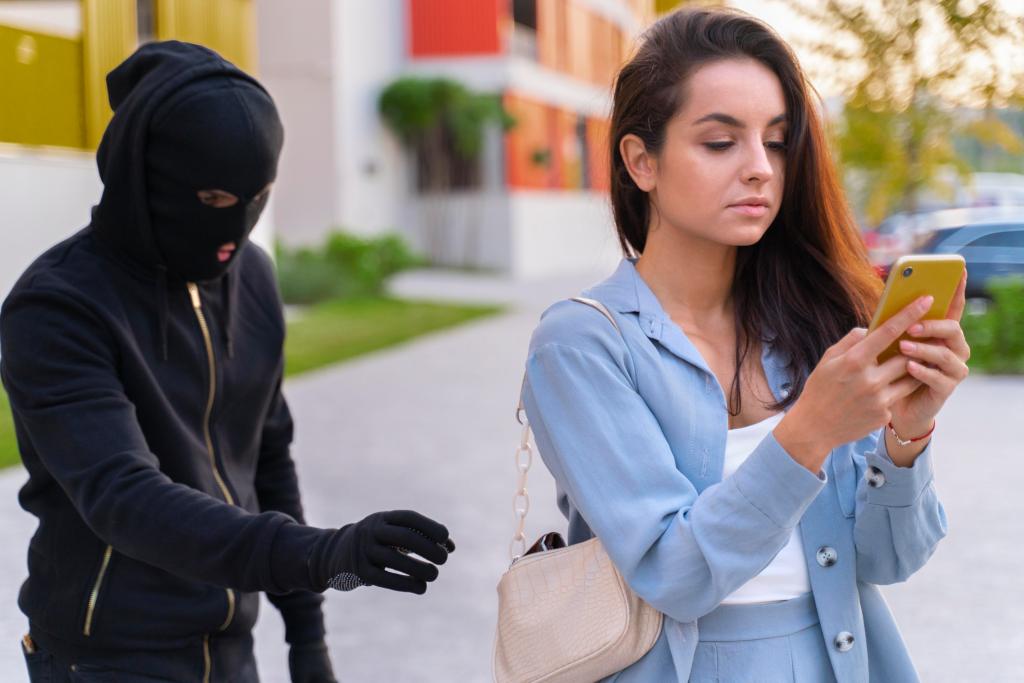

Bystander Injuries During Convenience Store Robberies: Liability in South Carolina
What You Should Know
Convenience stores are designed for quick visits, but they can also present heightened safety risks,
particularly late at night or in high-traffic locations. When a robbery occurs, customers who are not
involved in the crime may still suffer serious injuries.
In South Carolina, injuries to bystanders during a convenience store robbery may raise legal questions
beyond the actions of the individual committing the crime. In certain situations, the store owner or
operator may be evaluated for whether reasonable security measures were in place.
How Bystanders Are Injured During Convenience Store Robberies
Robberies can unfold quickly and unpredictably. Even customers who are attempting to leave or comply
with instructions may be placed in harm’s way.
- Being struck by a suspect or caught in a physical altercation
- Injuries from firearms or other weapons discharged during the robbery
- Falls while attempting to flee or take cover
- Injuries caused by broken glass or falling merchandise
- Emotional trauma accompanied by physical symptoms
These injuries often occur within seconds, leaving little opportunity for a bystander to protect themselves.
South Carolina Legal Framework
Claims involving injuries during a robbery are often analyzed under premises liability and negligent
security principles. While a business is not automatically responsible for criminal acts committed by
third parties, it may have a duty to take reasonable steps to reduce foreseeable risks.
Foreseeability may be evaluated based on prior criminal activity, the location of the store,
hours of operation, and whether basic security measures were in place.
South Carolina applies a modified comparative negligence standard. If an injured bystander is found
partially responsible for their injuries, any recovery may be reduced. If they are found to be more
than 50% at fault, recovery may be barred.
Common Questions or Scenarios
- Had the store experienced prior robberies or violent incidents?
- Were security cameras, lighting, or alarm systems functioning?
- Was the robbery foreseeable based on time of day or location?
- Did store policies address safety during criminal incidents?
- Was the bystander lawfully present and acting reasonably?
These factors often influence whether a store’s safety practices were reasonable under the circumstances.
Evidence or Factors That Matter
| Factor | Why It Matters |
|---|---|
| Prior crime history | May establish foreseeability of violent incidents |
| Security measures | Shows whether reasonable precautions were in place |
| Surveillance footage | Documents how the robbery and injury occurred |
| Incident and police reports | Provide contemporaneous accounts of the event |
| Medical records | Establish the nature and severity of injuries |
What to Do Next
If you are injured as a bystander during a robbery, seek medical attention as soon as possible.
Injuries and trauma may not be fully apparent immediately after the incident.
Preserving any available information, including photographs or witness contact details,
may be helpful. Avoid assuming responsibility until the facts are carefully reviewed.
How Burts Law, PLLC Can Help
Bystander injuries involving violent crimes can raise complex legal questions about foreseeability
and security obligations. Evaluating these claims requires a careful, fact-specific review
under South Carolina law.
Contact Burts Law, PLLC to discuss your situation and understand your legal options.
This article provides general information, not legal advice.