
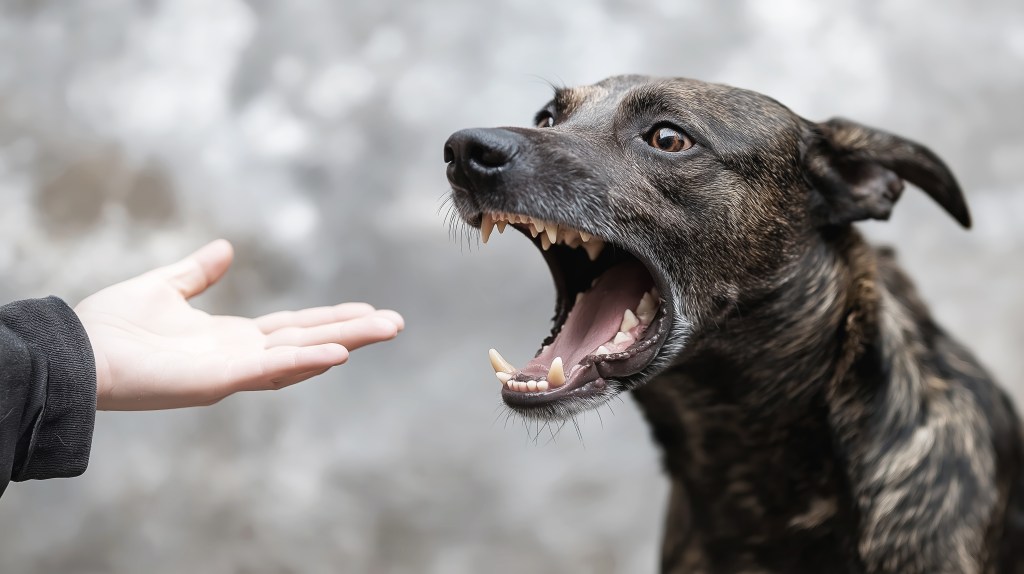

Dog Bite Laws and Owner Responsibility in South Carolina
Dog bites can cause serious physical and emotional harm, and many people are unsure who is legally responsible after an attack. In South Carolina, specific laws address when a dog owner may be held liable for injuries.
Understanding how dog bite laws work can help you determine your rights and what steps to take after an incident.
Executive Summary
South Carolina dog bite laws generally hold dog owners responsible when their dog bites or attacks someone who is lawfully on the property or in a public place. Liability often depends on the circumstances of the incident, including whether the injured person provoked the animal or was trespassing.
How Dog Bite Laws Work in South Carolina
South Carolina follows a form of strict liability for dog bite cases. This means a dog owner may be held responsible even if the dog has never shown aggressive behavior before.
The focus is often on what happened during the incident rather than the dog’s history.
When a Dog Owner May Be Responsible
A dog owner may be responsible for injuries if certain conditions are met.
- The dog attacked or bit someone
- The injured person was in a public place or lawfully on private property
- The injury resulted from the attack
If these factors are present, the situation may qualify as a legal claim.
Situations Where Liability May Be Limited
There are circumstances where a dog owner may not be held responsible.
- The injured person was trespassing
- The dog was provoked or threatened
- The person was committing a crime at the time of the incident
Each case depends on the specific facts involved.
Examples of Dog Bite Incidents
| Scenario | Possible Outcome |
|---|---|
| Dog bites a guest at a home | Owner may be responsible |
| Dog attacks someone in a public park | Owner may be responsible |
| Person provokes dog before bite | Liability may be reduced or denied |
| Trespasser bitten on private property | Liability may be limited |
The outcome depends on the circumstances of each incident.
Types of Injuries in Dog Bite Cases
Dog attacks can lead to a range of injuries.
- Puncture wounds and lacerations
- Infections
- Scarring or disfigurement
- Emotional distress or trauma
Medical treatment is often necessary, even for injuries that appear minor at first.
Evidence That May Support a Claim
Evidence can play an important role in evaluating a dog bite case.
- Medical records and treatment documentation
- Photos of injuries and the scene
- Witness statements
- Animal control or police reports
- Information about the dog and owner
Gathering evidence early can help clarify what happened.
Types of Damages
If a claim is valid, damages may include losses related to the injury.
| Type of Damage | Examples |
|---|---|
| Medical Expenses | Emergency care, treatment, medications |
| Lost Income | Missed work or reduced earning ability |
| Pain and Suffering | Physical pain and emotional impact |
| Future Costs | Ongoing treatment or rehabilitation |
The extent of damages depends on the severity of the injuries.
What to Do After a Dog Bite
If you are bitten by a dog, taking prompt action can help protect your health and your rights.
- Seek medical attention immediately
- Report the incident to local authorities
- Document injuries and the scene
- Collect contact information for the dog owner and witnesses
- Keep records of all treatment and expenses
These steps can help preserve important information.
Quick Claim Checklist
| Question | Why It Matters |
|---|---|
| Were you lawfully on the property? | Required for most claims |
| Did the dog cause the injury? | Establishes liability |
| Was the dog provoked? | May affect responsibility |
| Do you have evidence? | Supports your claim |
Speak With Burts Law
If you were injured in a dog attack and are unsure how South Carolina law applies, Burts Law, PLLC can help you understand your options. Evaluating the facts early can help clarify your next steps.
Contact Burts Law to schedule a consultation and learn more about your legal rights.