
Falling Merchandise Injuries in Retail Stores
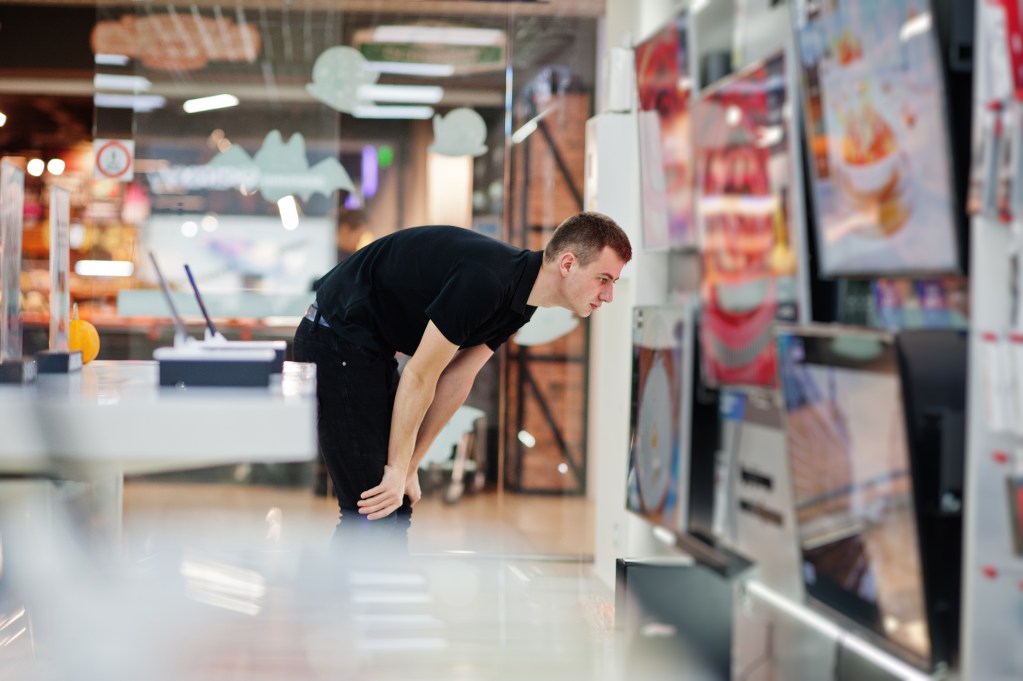
Retail stores often stack products on high shelves, display racks, and overhead storage areas. When merchandise is improperly stored or unsecured, customers may suffer serious injuries from falling items.
Understanding how falling merchandise injury claims work can help injured individuals evaluate whether unsafe store conditions or negligent stocking practices may have contributed to the incident.
Executive Summary
Falling merchandise injury claims generally involve premises liability and negligence principles. Retail stores may potentially be responsible when improperly stacked products, unstable shelving, overloaded displays, or unsafe storage practices cause merchandise to fall and injure customers. The condition of the display, store policies, and prior safety concerns often become important factors in these cases.
How Falling Merchandise Injuries Happen
Retail merchandise can become dangerous when products are stored improperly or displays are not maintained safely.
Common situations may involve:
- Overloaded shelves
- Unstable stacked products
- Improperly secured overhead items
- Defective shelving systems
- Unsafe employee stocking practices
Even relatively small products can cause serious injuries when falling from elevated shelves.
Common Types of Falling Merchandise Incidents
| Type of Incident | Potential Hazard |
|---|---|
| Overstacked Shelves | Products falling onto customers |
| Loose Display Items | Unstable merchandise shifting unexpectedly |
| Improper Restocking | Employees creating unsafe shelf conditions |
| Broken Shelving | Collapse of retail displays or racks |
| Heavy Items Stored Overhead | Serious head or neck injuries |
The surrounding facts often determine whether a store may have acted negligently.
Retail Store Responsibilities
Retail stores generally have responsibilities to maintain reasonably safe conditions for customers.
This may include:
- Inspecting shelves and displays regularly
- Properly securing merchandise
- Training employees on safe stocking procedures
- Repairing damaged shelving systems
- Addressing known safety hazards promptly
Failure to maintain safe retail conditions may increase the risk of customer injuries.
Common Injuries From Falling Merchandise
Falling merchandise accidents can result in injuries ranging from minor to severe depending on the size, weight, and height of the falling objects.
| Injury Type | Potential Effects |
|---|---|
| Head Injuries | Concussions or traumatic brain injuries |
| Neck and Back Injuries | Pain, mobility limitations, or nerve issues |
| Fractures | Broken bones from heavy merchandise impacts |
| Soft Tissue Injuries | Sprains, strains, or muscle damage |
| Lacerations | Cuts from sharp or broken items |
Medical evaluation is often important even when injuries initially appear minor.
Premises Liability and Negligence
Falling merchandise injury claims are commonly evaluated under premises liability principles.
Important issues may include:
- Whether the store knew or should have known about the hazard
- Whether shelving or displays were maintained safely
- How long the unsafe condition existed
- Whether employees created the dangerous condition
The reasonableness of the store’s safety practices often becomes a central issue.
Evidence That May Help Support a Claim
Preserving evidence after a retail store injury can be especially important.
- Photographs of the display or shelving
- Incident reports
- Witness statements
- Medical records
- Surveillance footage
- Store inspection or maintenance records
Evidence may help establish how the incident occurred and whether unsafe conditions existed.
Examples of Unsafe Retail Practices
| Unsafe Practice | Potential Risk |
|---|---|
| Heavy products stored overhead | Serious impact injuries |
| Damaged shelving left unrepaired | Display collapse |
| Overcrowded displays | Unstable merchandise shifting |
| Improper stocking methods | Products falling unexpectedly |
Damages in Falling Merchandise Injury Cases
Depending on the circumstances, damages may involve both financial and non-financial losses.
| Type of Damage | Examples |
|---|---|
| Medical Expenses | Emergency treatment, therapy, surgery |
| Lost Income | Missed work during recovery |
| Pain and Suffering | Physical pain and emotional impact |
| Future Medical Care | Ongoing treatment or rehabilitation |
The extent of damages often depends on the severity of the injuries involved.
What Injured Customers Should Do
If you are injured by falling merchandise in a retail store, certain steps may help protect your health and preserve important information.
- Seek medical attention promptly
- Report the incident to store management
- Photograph the scene and injuries if possible
- Collect witness information
- Keep records of treatment and expenses
Documenting the incident early can help preserve details that may later become important.
Common Misunderstandings About Falling Merchandise Claims
| Misunderstanding | Reality |
|---|---|
| Retail accidents are always unavoidable | Unsafe storage practices may contribute to injuries |
| Small falling items cannot cause serious harm | Even lighter objects can cause head or neck injuries |
| Only broken shelves create liability | Improper stocking practices may also matter |
| Store employees are always personally responsible | Liability often involves the business or property owner |
Quick Falling Merchandise Injury Checklist
| Question | Why It Matters |
|---|---|
| Was the merchandise stored safely? | Important for negligence analysis |
| Did employees create the hazard? | May affect liability issues |
| Were there prior safety concerns? | Could affect foreseeability |
| Is evidence available? | Helps establish what occurred |
Speak With Burts Law
If you were injured by falling merchandise in a retail store and believe unsafe conditions may have contributed to the incident, Burts Law, PLLC can help you understand your options and evaluate the circumstances surrounding the injury.
Contact Burts Law to schedule a consultation and learn more about premises liability and retail store injury claims.