
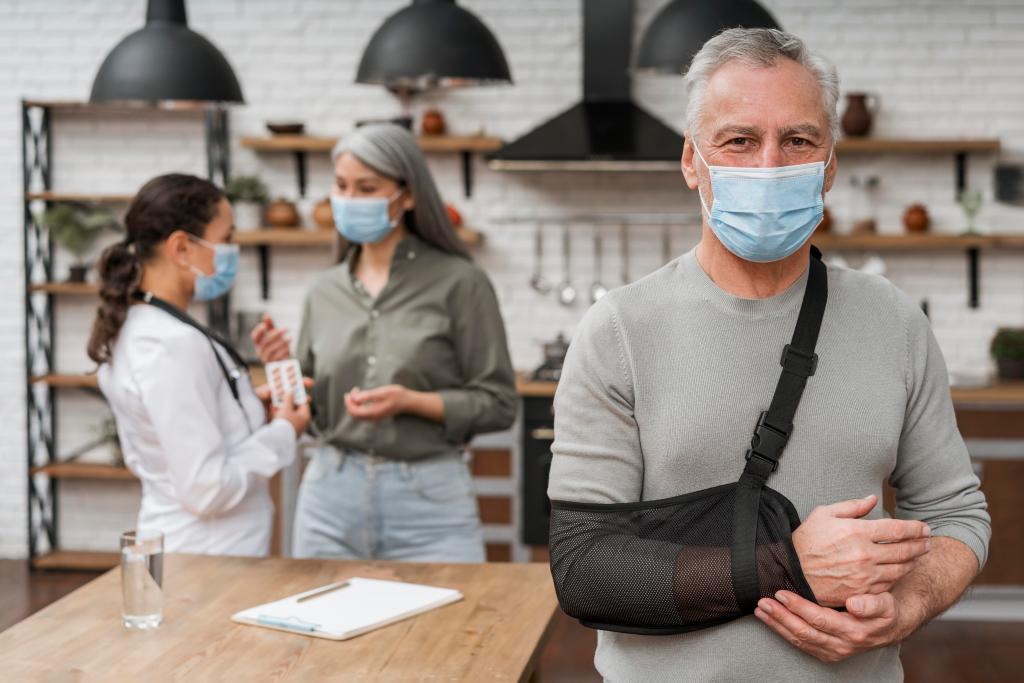

Third-Party Liability in Workplace Injury Cases
When a workplace injury happens, many employees assume workers’ compensation is their only option. However, some workplace accidents involve third parties who may also be legally responsible for the injury.
Understanding third-party liability in workplace injury cases can help injured workers identify additional legal options that may exist outside of workers’ compensation benefits.
Executive Summary
Third-party liability in workplace injury cases arises when someone other than the employer contributes to or causes a worker’s injury. These cases may involve contractors, property owners, equipment manufacturers, drivers, or outside vendors. In some situations, injured workers may pursue both workers’ compensation benefits and a separate personal injury claim against the third party.
What Is Third-Party Liability?
Third-party liability refers to legal responsibility held by someone outside of the employer-employee relationship.
In workplace injury situations, this often means that another company, contractor, manufacturer, or individual may have contributed to unsafe conditions or caused the accident directly.
Unlike workers’ compensation claims, third-party claims generally require proof of negligence or fault.
How Third-Party Claims Differ From Workers’ Compensation
| Issue | Workers’ Compensation | Third-Party Injury Claim |
|---|---|---|
| Fault Required | No | Usually yes |
| Who Pays | Employer’s insurance carrier | Outside individual or company |
| Types of Damages | Limited statutory benefits | Potentially broader damages |
| Lawsuit Allowed | Usually limited against employer | May be possible against third party |
These differences can significantly affect how a claim is handled.
Common Examples of Third-Party Workplace Injury Cases
Third-party liability can arise in many workplace settings.
- Construction site accidents involving subcontractors
- Defective machinery or equipment injuries
- Vehicle accidents during work-related travel
- Unsafe conditions on another company’s property
- Injuries caused by outside maintenance companies
Identifying all potentially responsible parties is often an important part of evaluating a workplace injury case.
Construction Site Injury Cases
Construction environments commonly involve multiple companies working on the same site.
Potential third parties may include:
- General contractors
- Subcontractors
- Equipment suppliers
- Property owners
Liability may depend on who controlled the work area, maintained equipment, or created unsafe conditions.
Defective Equipment and Product Liability
Some workplace injuries occur because machinery or tools malfunction.
| Equipment Type | Potential Issue |
|---|---|
| Industrial Machinery | Missing safety guards or design defects |
| Ladders or Scaffolding | Structural failure |
| Power Tools | Electrical or mechanical malfunction |
| Vehicles or Forklifts | Brake or steering defects |
In these cases, manufacturers or distributors may potentially be involved.
Motor Vehicle Accidents During Work
Employees who drive as part of their job may be injured by another driver while working.
Examples include:
- Delivery drivers
- Sales representatives
- Traveling technicians
- Commercial transportation workers
Depending on the circumstances, injured workers may have both workers’ compensation and third-party injury claims.
Premises Liability and Workplace Injuries
Employees are sometimes injured while working on property owned by another company or individual.
Potential issues may involve:
- Unsafe stairways or walkways
- Poor lighting
- Falling objects
- Negligent security
Property owners may have legal responsibilities regarding safe conditions.
Evidence That May Support a Third-Party Claim
Evidence can be especially important in workplace injury cases involving multiple parties.
- Incident reports
- Photographs of the scene
- Witness statements
- Equipment inspection records
- Medical documentation
- Maintenance logs
Preserving evidence early can help clarify how the accident occurred.
Types of Damages in Third-Party Claims
Third-party claims may involve damages beyond standard workers’ compensation benefits.
| Type of Damage | Examples |
|---|---|
| Medical Expenses | Hospital care, surgeries, rehabilitation |
| Lost Income | Missed wages or future earning losses |
| Pain and Suffering | Physical pain and emotional impact |
| Long-Term Care Costs | Future treatment or disability needs |
The available damages depend on the nature and severity of the injury.
Challenges in Third-Party Workplace Cases
These cases can become complex because they often involve multiple companies, insurance carriers, and legal issues.
- Determining who controlled the work environment
- Identifying all responsible parties
- Coordinating workers’ compensation and injury claims
- Preserving evidence from the accident scene
Careful investigation is often necessary.
What Injured Workers Should Do
If you are injured at work and believe a third party may be involved, taking early steps can help protect your rights.
- Seek immediate medical attention
- Report the injury to your employer
- Document the accident scene
- Collect witness information
- Preserve records and communications
These actions can help identify whether additional legal claims may exist.
Quick Third-Party Liability Checklist
| Question | Why It Matters |
|---|---|
| Was another company or person involved? | May indicate third-party liability |
| Did defective equipment contribute to the injury? | Product liability may apply |
| Did the accident occur on another property? | Premises liability may be relevant |
| Do you have evidence from the scene? | Important for proving responsibility |
Speak With Burts Law
If you were injured at work and believe another party may have contributed to the accident, Burts Law, PLLC can help you understand your options. Reviewing the facts early can help identify whether third-party liability may apply.
Contact Burts Law to schedule a consultation and learn more about workplace injury claims and employee rights.